


Choosing artificial grass for a hot climate involves more than finding a green surface that looks like natural turf. You need to consider fibre materials, UV protection, pile height, density and drainage. These features affect how the grass responds to strong sunlight, high temperatures and regular outdoor use.
For homeowners, villa owners and landscapers, the right artificial turf should suit the intended space and local weather conditions. Options such as eco friendly artificial grass in Dubai offer a practical starting point when comparing synthetic grass for residential and commercial projects.
This guide explains the main types of artificial grass for hot climates, how different materials perform and what to consider before installing turf.
Why Does Climate Matter When Choosing Artificial Grass?
Artificial grass in hot climates faces several environmental conditions. In Dubai, prolonged sunshine, high outdoor temperatures and UV exposure place demands on synthetic fibres and backing materials.
Three factors deserve particular attention:
- Sun exposure: Direct sunlight heats the grass surface and exposes fibres to ultraviolet radiation. Without suitable UV stabilisation, prolonged exposure can contribute to colour changes and material deterioration.
- Surface temperature: Synthetic turf absorbs solar energy. Its temperature rises in direct sunlight, especially during the hottest parts of the day.
- Outdoor conditions: Dust, occasional rainfall, moisture and frequent foot traffic affect how the turf performs and how much maintenance it needs.
The material also matters. Different synthetic fibres have different levels of softness, resilience and resistance to wear. Understanding these differences helps you select artificial grass for hot weather without relying on appearance alone.
Main Types of Artificial Grass Materials
The three main materials used in artificial grass are polyethylene (PE), polypropylene (PP) and nylon. Each has different characteristics in terms of softness, resilience, appearance and resistance to wear.
The best artificial grass for hot weather depends on where you plan to install it and how often people will use the surface.
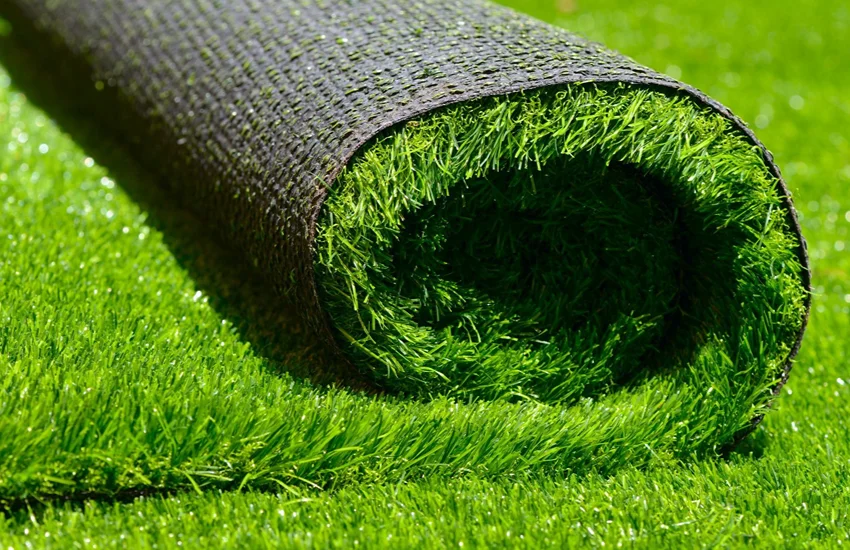
Polyethylene Artificial Grass
Polyethylene artificial grass is a popular choice for residential lawns and outdoor landscaping. Its fibres have a soft texture and a natural appearance, making them suitable for areas where comfort and visual appeal matter.
Polypropylene Artificial Grass
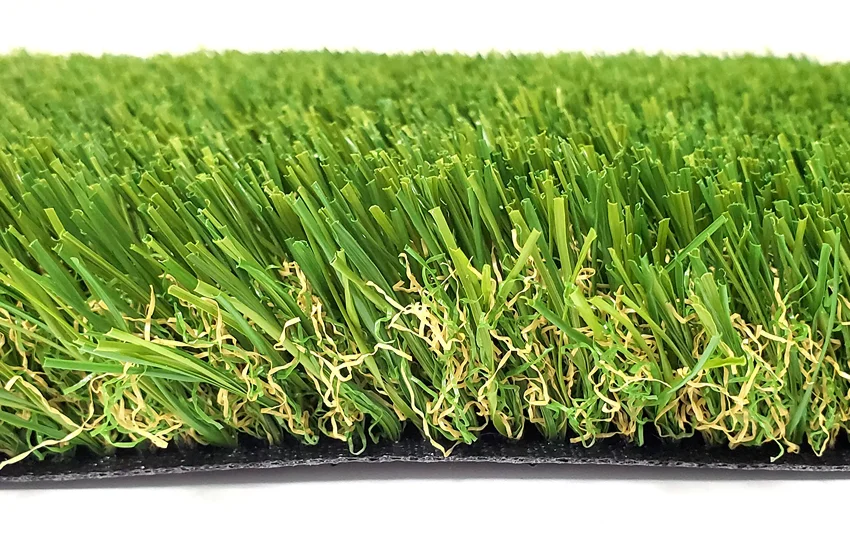
Polypropylene artificial grass is a lightweight and economical material used in residential and commercial turf products. Its fibres are generally thinner than those of polyethylene and nylon.
Nylon Artificial Grass
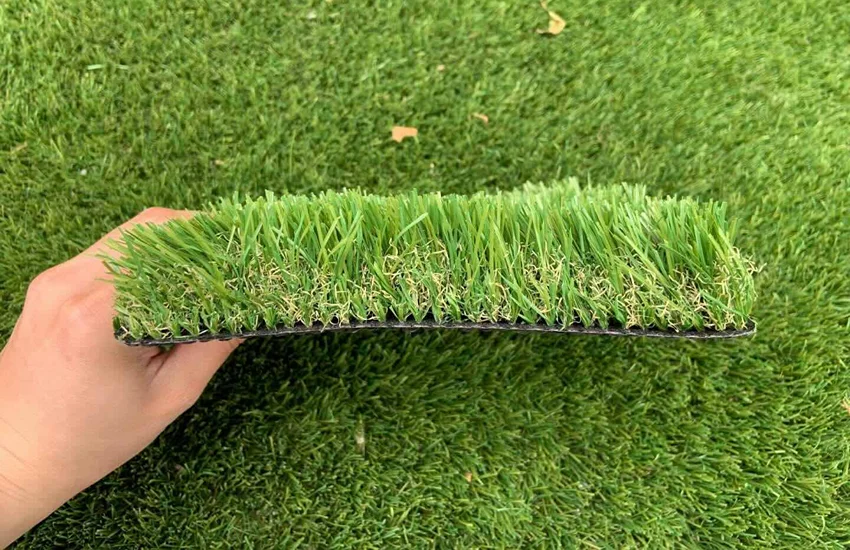
Nylon artificial grass is known for its strength, resilience and ability to recover after compression. Its fibres retain their shape under repeated use, making nylon useful for areas where turf experiences frequent pressure.
Types of Artificial Grass Based on Pile Height
Pile height refers to the length of the artificial grass blades, measured from the backing to the fibre tips. It affects the appearance, feel and maintenance requirements of your lawn.
Grass Carpet’s current collection includes pile heights ranging from 6mm to 45mm. These options suit different residential, decorative and commercial applications.
Short-Pile Artificial Grass
Typical height: 6mm to 20mm
Short-pile artificial grass has compact fibres and a neat, closely trimmed appearance. It works well in areas where you want a uniform surface without long blades.
Common applications include:
- Apartment balconies.
- Rooftop pathways.
- Small patios.
- Decorative flooring.
- Putting and recreational areas.
Short fibres are easier to brush and clean because they provide less space for dust and debris to settle. They also suit compact areas where furniture and regular movement might compress longer blades.
Medium-Pile Artificial Grass
Typical height: 25mm to 37mm
Medium-pile turf offers a balance between a natural lawn appearance and manageable maintenance. Its blades provide more visual depth than short-pile varieties without creating an excessively long surface.
This height works well for:
- Villa gardens.
- Residential lawns.
- Family seating areas.
- Pet spaces.
- Terraces and landscaped patios.
For example, Grass Carpet’s 30mm Rio and 35mm Chartwell products illustrate the medium-pile options available for different outdoor applications.
Long-Pile Artificial Grass
Typical height: 38mm to 45mm
Long-pile artificial grass creates a fuller, thicker lawn appearance. Its longer fibres suit spacious gardens and landscaping projects where visual depth is a priority.
Typical applications include:
- Large villa gardens.
- Decorative lawns.
- Landscaped outdoor seating areas.
- Recreational spaces.
- Premium residential landscaping.
Longer fibres need regular brushing to maintain an upright appearance. They also provide more material near the surface, so consider the cleaning and maintenance requirements before choosing a long-pile product for a dusty outdoor area.
What Features Make Artificial Grass Suitable for Hot Climates?
The material alone does not determine how well artificial turf performs outdoors. Fibre treatment, density and backing construction also influence its response to Dubai’s weather.
UV-Stabilised Grass Fibres
Ultraviolet radiation gradually affects many synthetic materials. Prolonged exposure can weaken untreated fibres, cause colour changes and reduce material performance.
UV stabilisation involves adding protective additives during fibre manufacturing. These additives help limit damage caused by sunlight and support better colour and material retention.
When comparing UV resistant artificial grass, check whether the manufacturer specifies UV protection for the fibres. Also ask about the product’s warranty and any limitations relating to outdoor exposure.
Remember that UV resistance and heat resistance are different properties. UV stabilisation helps protect fibres against sunlight-related degradation. It does not prevent the turf from absorbing heat or guarantee a cool surface during summer.
Fibre Quality and Density
Fibre quality affects how artificial grass looks and performs under regular use.
Pay attention to:
- Fibre thickness and construction.
- Blade shape and texture.
- Stitch density.
- Total fibre weight.
- Ability to recover after compression.
Dense turf often provides better visual coverage, while suitable fibre construction helps maintain the grass’s appearance after foot traffic.
However, higher density does not automatically mean better heat performance. Compare the complete product specifications rather than relying on one measurement.
Heat-Resistant Materials
Different materials respond differently to temperature and mechanical stress.
Nylon offers greater resistance to heat and compression than PE and PP. Polyethylene provides a softer surface, while polypropylene offers lightweight construction at a more economical price point.
For outdoor use, choose fibres designed for prolonged sunlight exposure. Ask suppliers about the material composition, UV stabilisation and intended application.
A heat-resistant fibre should not be confused with a heat-proof surface. Direct sunlight still raises the temperature of artificial turf, regardless of its fibre material.
Perforated Backing and Drainage
The backing supports the grass fibres and allows water to pass through the turf when the product includes drainage holes.
This feature matters in Dubai because outdoor grass needs to handle occasional rainfall, cleaning water and, in some installations, pet waste.
Look for:
- Perforated backing with suitable drainage holes.
- A stable secondary backing.
- Properly prepared sub-base materials.
- Correct ground grading and water outlets.
Grass Carpet’s Multi-Sport Lawn 20mm and York 20mm products feature perforated latex backing. Their specifications also list UV resistance.
Conclusion
The best types of artificial grass for hot climates depend on fibre material, UV stabilisation, pile height, density and backing construction.
Polyethylene offers softness and a natural appearance, polypropylene provides a lightweight and economical option, while nylon offers greater resistance to heat and compression. Each material has a different role in residential and commercial landscaping.